Why this gets overlooked
Most guides on relapse triggers list the same handful: stress, boredom, loneliness, a specific app or website. All real, all worth addressing. Grief rarely makes the list, maybe because it feels too heavy for a practical guide, or because people don't connect a loss from six months ago to a relapse happening right now. But the connection is common, and naming it tends to help exactly the people who need it most.
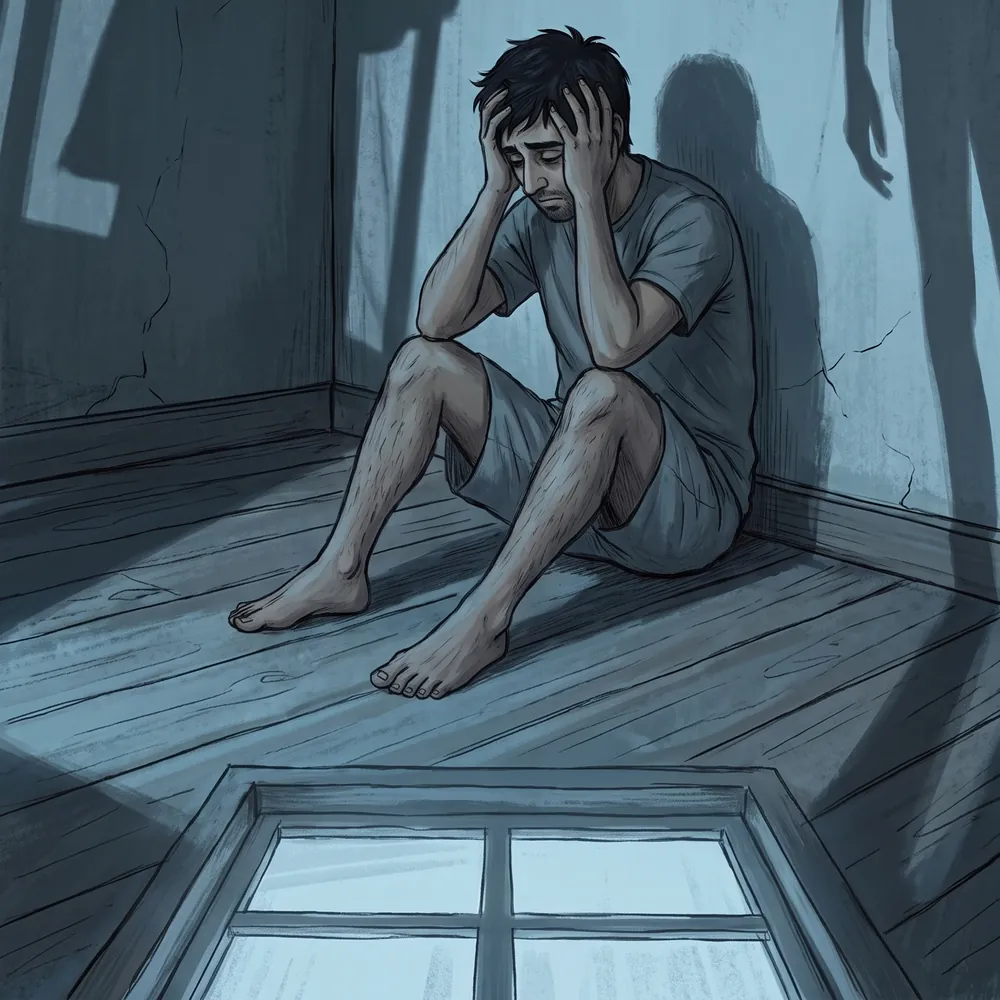
What grief actually does to a person
Grief is exhausting in a way that's hard to describe to someone who isn't in it. It disrupts sleep, flattens motivation, and leaves people wanting to feel something other than what they're feeling, right now, by any available means. That combination, exhaustion plus a desperate wish to not feel this specific feeling, is close to a perfect setup for reaching for whatever offers the fastest relief.
The habit offers exactly that: a few minutes where the grief goes quiet. It doesn't resolve anything, and it usually adds a fresh layer of shame directly on top of a person who was already struggling, but in the moment, the appeal is obvious once you see it clearly.
Worth sitting with: if a relapse happened during or shortly after a period of loss, that is not a separate failure requiring separate self-criticism. It is closer to what pain does when it doesn't have anywhere else to go. The response that helps is gentler than the one that usually gets applied.
Grief is broader than death
It is worth widening the word, because a lot of real grief never gets treated as grief at all. The end of a long relationship. A career path that closed. A version of your future you'd been counting on that quietly stopped being possible. None of these come with the social permission that a death gets, no one sends flowers, but they carry real weight, and unacknowledged grief tends to leak out sideways, often into exactly the kind of compulsive behaviour covered on this site.
What actually helps
- Name it as grief, even privately. Calling it what it is changes how you relate to the urges that follow. "I am grieving and this is what that looks like right now" carries none of the shame that "I am weak" does, and it is far closer to accurate.
- Do not isolate further. Grief already pulls people inward, and the habit pulls the same direction. Fighting that pull with one deliberate connection a day, even a short one, matters more here than almost anywhere else in this practice.
- Protect sleep specifically. Grief and poor sleep feed each other directly, and poor sleep is one of the strongest relapse triggers there is on its own. Our piece on sleep and recovery covers why this is worth real attention even, maybe especially, when everything else feels like too much to manage.
- Let the streak be a smaller concern for a while. If grief is acute, treat consistency as a soft goal rather than a strict one, without abandoning it entirely. A missed day tracked honestly is a far smaller problem than a spiral of shame layered on top of an already difficult season.
One less thing to fight while you grieve
You should not have to resist an urge on top of everything else grief already demands. Qlean closes explicit content the moment it appears on your phone, across every app, so at least that fight is already handled.
Get Qlean on Google PlayWhen to bring in more support
If grief has settled into something heavier and longer-lasting, real depression, thoughts of hopelessness, an inability to function that hasn't lifted after a reasonable stretch of time, a content blocker and a good routine are not the right tool for that. That calls for a counsellor, a doctor, or someone trained specifically for it. Reaching for that kind of help is not a step outside this practice. It is very much part of taking the whole of yourself seriously, which is what this practice has always actually been about.
Grief and this practice, held together
Every tradition covered across this site, whatever else it teaches, treats suffering as something to be met honestly rather than avoided or numbed. Grief is one of the honest things life brings, and reaching for a screen to make it stop briefly is an old, human, understandable response. It's also worth interrupting, not with more self-judgment, but with real support and a little patience for how long healing actually takes. A related but distinct experience, a constant low-grade unease rather than a specific loss, is covered in anxiety and the urge to escape.