The trigger that gets under-reported
Loneliness is harder to admit to than boredom. Boredom sounds like an inconvenience. Loneliness sounds like a confession. So when people describe what led to a relapse, they usually land on the safer word, even when the more accurate one was sitting right there.
Ask more carefully and a pattern turns up: a move to a new city, a friend group that drifted, a relationship that ended, a semester where everyone else seemed to have found their people and you hadn't. The urge didn't arrive because a picture appeared on a screen. It arrived because a room was quiet in a way that had started to feel permanent.
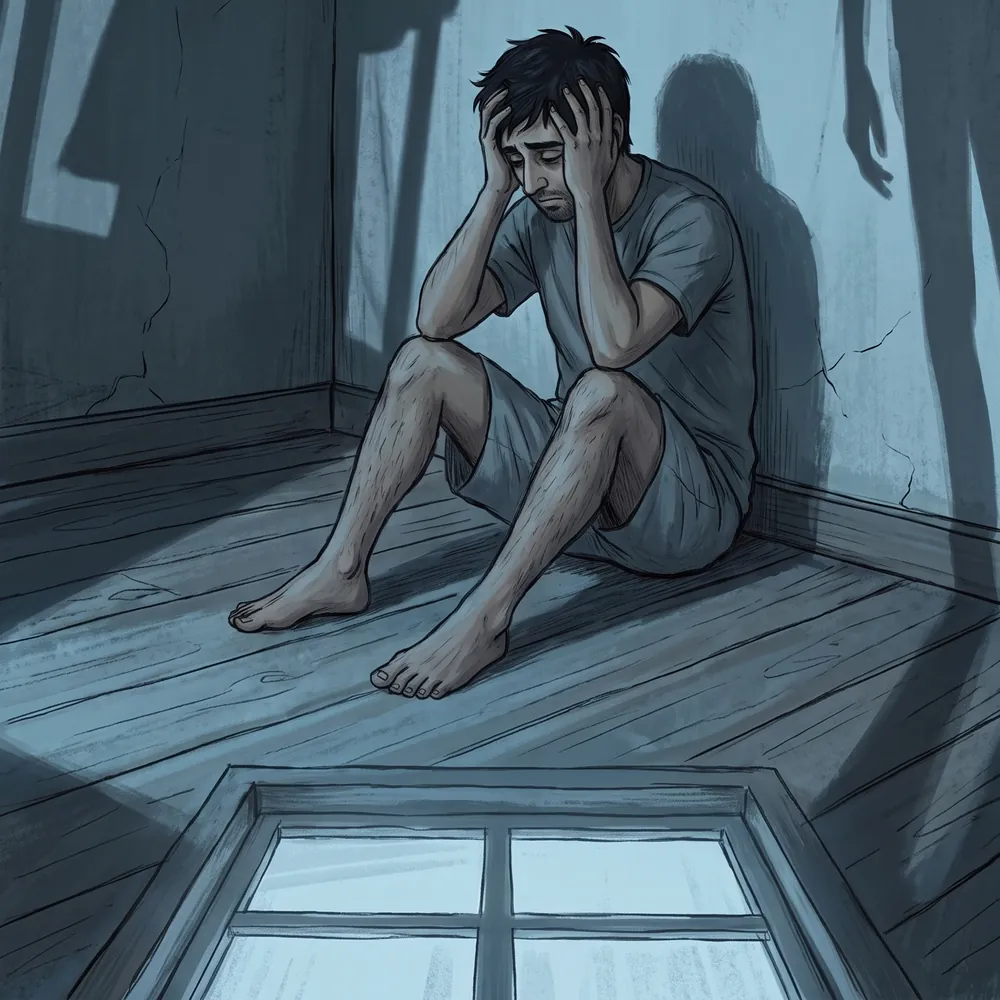
How the habit fills the gap
It offers something specific: a feeling of closeness with none of the risk that real closeness carries. No waiting to be liked back. No chance of being rejected, misunderstood, or simply ignored. For a few minutes it answers a need that a text message left unread does not.
That's the whole trap. The relief is real in the moment and hollow within the hour, and the hollowness makes the loneliness worse than it was before, which makes the next round more likely, not less. People describe this loop accurately when they call it a spiral, because each turn leaves you a little further from the thing you actually needed.
What to notice: if the urge tends to show up specifically in the evening, specifically alone, specifically after a day with no real conversation in it, the fix isn't a stronger blocker. A blocker helps, but the actual gap is a person, and no amount of discipline replaces one.
Admitting it changes what you try next
Most people trying to quit reach for the same toolkit regardless of cause: remove access, resist harder, track a streak. That toolkit works reasonably well against boredom and stress. It works less well against loneliness, because loneliness isn't a willpower problem, and no amount of willpower manufactures a friend.
Once you can name loneliness as the actual driver, the plan changes shape. Less about resisting a screen, more about building the thing the screen was standing in for. That's a harder project, and a more worthwhile one.
Close the easy substitute
While you build real connection, the fake one shouldn't be one tap away. Qlean closes explicit content the moment it appears on your phone, across every app, so the substitute isn't available in the meantime.
Get Qlean on Google PlayBuilding the actual fix
- Put one recurring thing on the calendar with another person. Weekly, ideally. A gym session, a call home, a standing coffee. It has to be recurring, because a single hangout does not touch a pattern that runs every evening.
- Be honest with at least one person about what's going on. Not necessarily the full picture. Even "I've been feeling pretty isolated lately" opens a door that silence keeps shut. Our accountability guide covers how to start that conversation.
- Watch the evening specifically. If the loneliest hour is a known hour, put something in it on purpose rather than leaving it open and hoping.
- Don't wait to feel ready. Loneliness has a way of convincing you that reaching out is pointless or unwanted. That feeling is the symptom talking, not an accurate read on how people would respond if you actually asked.
When it isn't loneliness
Not every relapse traces back here, and forcing this explanation onto every slip is its own kind of mistake. If a short log doesn't turn up loneliness as the common thread, look elsewhere; our piece on journaling your relapse pattern covers finding whatever the actual thread is, whatever it turns out to be.
But if you read this far and something in it landed, that's probably your answer. The habit was never really about the content on the screen for you. It was about not being alone with a feeling that had nowhere else to go. Give it somewhere else to go. Loss is one of the more common sources of that feeling; grief and relapse covers it on its own terms. Losing an office's incidental social contact is a quieter version of the same thing, covered in working from home changes the risk. One friend knowing does more for this than people expect; see telling your friends you are quitting.