The silence is the extra problem
Compulsive porn use gets discussed almost entirely as a men's issue. Forums, articles, recovery communities, even the vocabulary, all default male. The result is that a woman who recognises the pattern in herself often runs into a second difficulty on top of the habit: a quiet sense that this is not supposed to be happening to her at all.
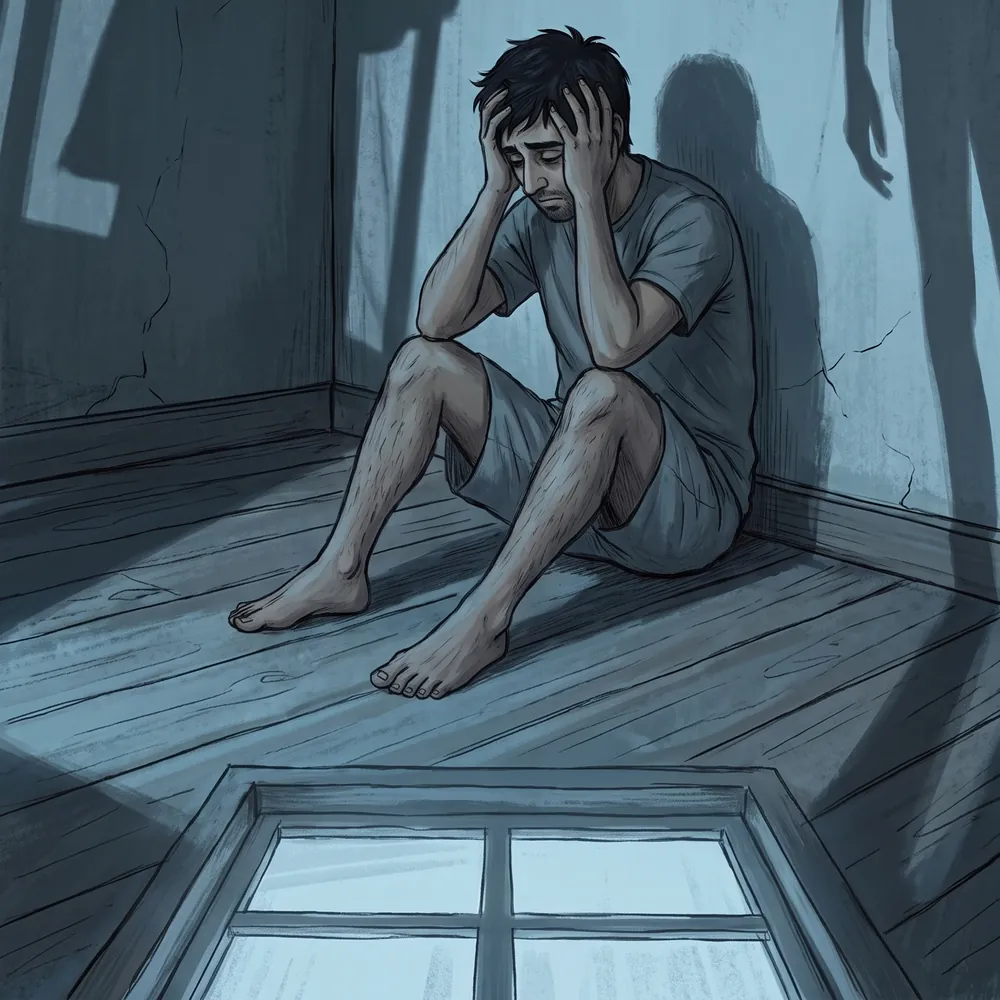
That belief does real damage, because secrecy is the condition compulsive habits thrive in. A struggle nobody expects you to have is a struggle you are far less likely to name out loud, and a struggle you never name is one you fight alone indefinitely. The isolation is not incidental here, it is often the single biggest obstacle.
Worth saying plainly: if you are a woman who keeps returning to something you have genuinely decided to stop, nothing about you is unusual or broken. The pattern is a compulsive loop, and loops do not check who they are running in.
What is exactly the same
The mechanism does not differ. What makes porn hard to quit is the reward loop described in how habits actually form: intense, novel, on-demand stimulation that the brain learns to reach for automatically under stress, boredom or loneliness. That learning process is not sex-specific in any meaningful way.
Which means the method is not either. Everything in our guide to quitting porn applies directly: stop relying on willpower at the moment of temptation, remove the trigger from your environment, decide your response in advance, replace what the habit was doing for you, and commit to full abstinence rather than trying to negotiate it down. Nothing in that plan needs adjusting.
What tends to be different
The differences are mostly in the surrounding experience rather than the habit itself, but they matter because they change what support you need.
- Fewer people to talk to. Recovery spaces skew heavily male, so finding someone who assumes your experience is normal takes more effort. It is worth the effort anyway.
- A heavier shame layer. When a struggle is culturally assumed not to exist for you, admitting it can feel like admitting to something stranger than it actually is. That extra weight is worth naming, because shame drives relapse rather than preventing it.
- Different entry points. The habit often starts through written material, fan fiction or suggestive feeds rather than video, which can delay recognising it as the same pattern. It is the same loop regardless of the format feeding it.
The same guard, whoever you are
The method does not change and neither does the tool. Qlean closes explicit content the moment it appears on your phone, across every app, so the weak moments are covered without depending on willpower.
Get Qlean on Google PlayMoving forward
- Break the isolation first. One trusted person who knows is worth more than any amount of private resolve. Our accountability partner guide covers choosing well and structuring it so it helps rather than shames.
- Use the standard method without translating it. The guides written in male-default language still describe your situation accurately. Take the mechanism and ignore the pronouns.
- Handle a slip the same way. One relapse is a data point, not a verdict, and the spiral afterward causes more damage than the slip. See recovering from a relapse.
- Get real help if it runs deeper. If the habit is tangled with anxiety, depression or past trauma, that deserves proper attention from a professional rather than willpower alone. There is no weakness in that.
The absence of writing about this is not evidence that it is rare. It is evidence that people have not been talking. If you recognised yourself in any of this, the path out is well mapped, it works the same way for you, and you are considerably less alone in it than the internet's silence would suggest. A related, equally under-discussed effect is covered in what porn quietly does to body image. The gender gap in reported use, and why it is likely narrower than raw survey numbers suggest, is covered in how common is porn use, globally.