Why readiness is worth checking honestly
Starting before you are actually ready does not make you more committed. It usually means starting on borrowed motivation, a burst of resolve after a bad night or a moment of shame, that fades within days and leaves the actual structural work half-finished. A short, honest check first tends to produce a stronger, more durable start than diving in on a whim.
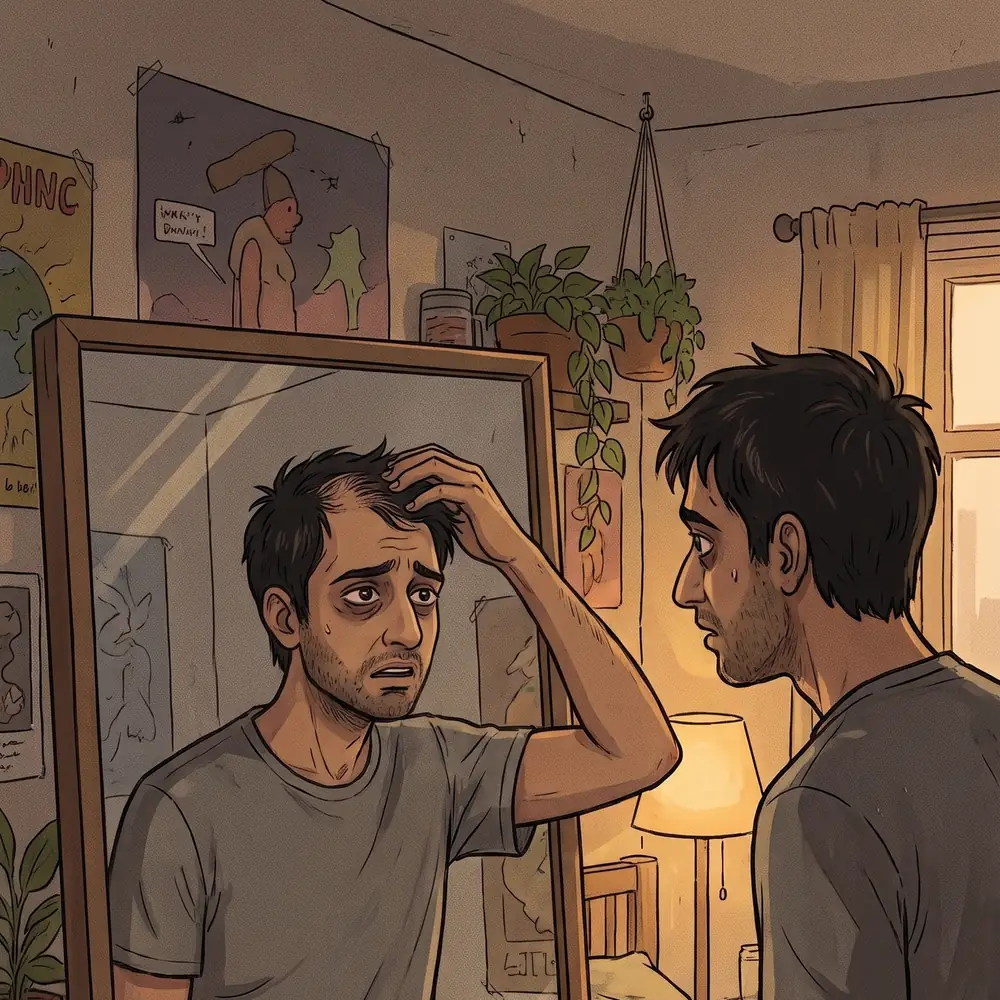
The honest checklist
- Can you name a real reason, beyond guilt? "I feel bad about this" is a starting point, not a foundation. A reason that will still matter on a hard Tuesday two months from now, presence with a partner, self-respect, a faith commitment, tends to hold up better than shame alone.
- Have you had an honest look at what it is actually costing you? Vague unease is easy to talk yourself out of. A specific accounting, time, focus, a relationship, sleep, is harder to argue with. Our piece on the real cost of the habit is a useful exercise here.
- Are you willing to change your environment, not just your intentions? Readiness is not a feeling, it is a willingness to act: installing a blocker, changing where your phone charges, telling someone. If none of that feels doable yet, that is worth knowing now rather than on day three.
- Do you have, or are you willing to build, one source of support? Not necessarily a person yet, though that helps most. An app, a community, a tracked streak. Total isolation is one of the more reliable predictors of an early relapse.
- Are you expecting a realistic timeline? If the plan is "stop struggling within a week," that expectation alone sets up disappointment that can look like failure when it is really just an inaccurate forecast. Our honest timeline sets more realistic expectations.
If most of these are genuine yeses: you are ready, and the honest next step is our first 24 hours guide. If several are still uncertain: that is useful information, not a failure. The next section is for you.
If you are not fully ready yet, what actually helps
Contemplation, genuinely wanting change but not yet acting, is a real and normal stage, not a moral failing. Our piece on the stages of quitting covers this stage specifically and what moves someone through it. Often what is missing is not motivation but a concrete, specific first step small enough to not feel overwhelming: reading one more piece here, telling one person you are thinking about it, or simply installing a blocker without committing to a start date yet.
The risk of waiting for a "ready" feeling
A completely clean, fully confident readiness rarely arrives on its own. Most people who eventually succeed describe starting while still somewhat uncertain, and building genuine confidence through the early days of actually doing it, not before. If you are waiting to feel 100% ready before beginning, that wait can become indefinite. The checklist above is meant to establish a reasonable, honest floor, not a perfect, fully resolved starting point that does not really exist for most people.
Structure doesn't require perfect confidence first
You do not need to feel fully ready to put a real barrier in place. Qlean closes explicit content the moment it appears on your phone, across every app, and it works whether you're starting today or building toward it.
Get Qlean on Google PlayIf today is the day
Move straight to the first 24 hours guide, which turns readiness into a specific plan for the next twenty-four hours rather than a vague intention. The gap between deciding and acting is exactly where a lot of resolve quietly evaporates, so close it quickly once you have genuinely decided. If a specific excuse keeps pulling that gap back open, the excuses that keep people from ever starting names the common ones directly.