Where this framework comes from
The stages of change model, sometimes called the transtheoretical model, was developed studying how people actually quit smoking and other addictive behaviours, not guessed at from theory. It has since been applied broadly across addiction and habit-change research because the pattern it describes shows up consistently across very different behaviours. It applies here just as well.
Precontemplation: not yet a problem
At this stage a person is not really considering change, either because they have not connected the dots between the habit and its costs, or because they are actively minimising it. If you are reading this article at all, you have almost certainly already moved past this stage, even if only barely.
Contemplation: aware, and stuck
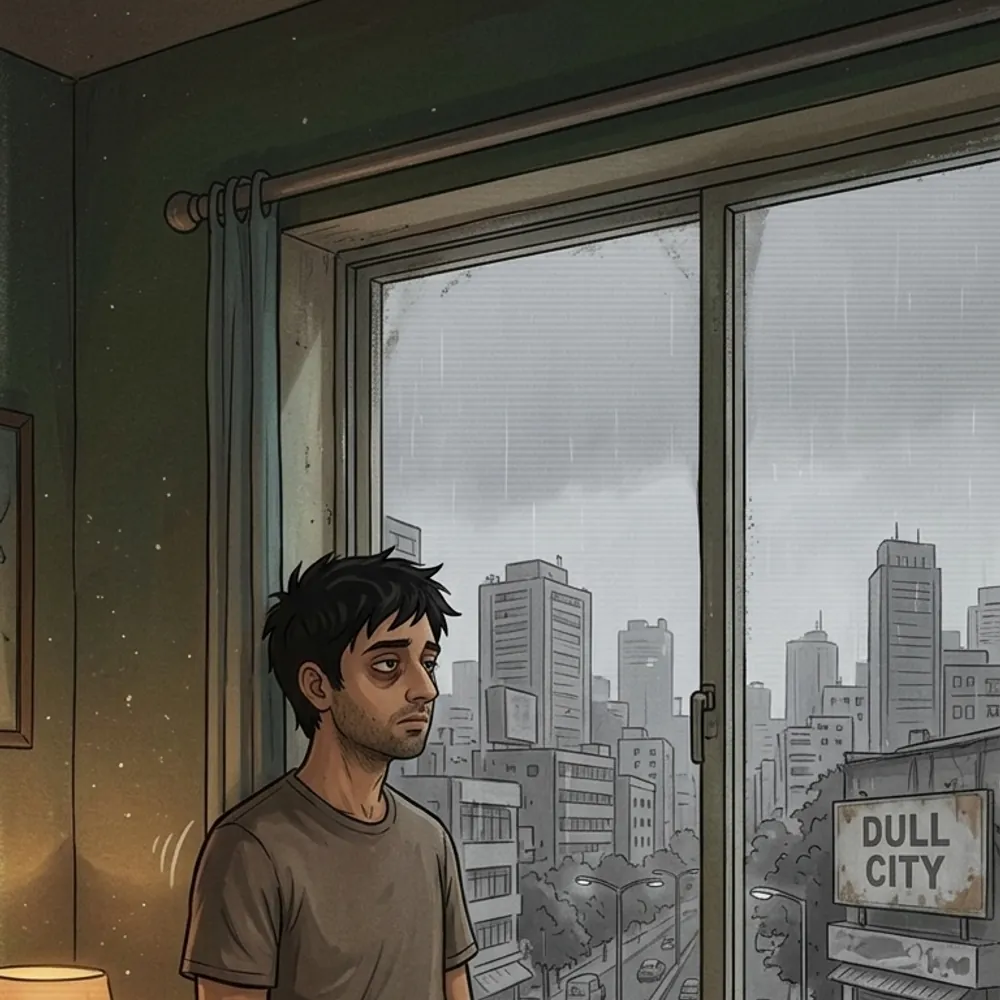
This is genuinely aware of the problem, genuinely wanting things to be different, and genuinely not yet acting. People can live here for a long time, sometimes years, because contemplation feels like progress without requiring the harder step into actual change. If this is where you are, the honest question worth asking is what specifically is missing, information, belief that it is possible, or simply a concrete first step. Our piece on NoFap myths, debunked is aimed partly at people stuck here for the wrong reasons.
Preparation: building the actual plan
This is the stage most guides skip past, and it is arguably the most important one to do properly. Preparation means concrete steps taken before day one: installing a blocker, deciding what will fill an evening, telling someone. Our first 24 hours guide is built almost entirely around this stage, because the plan made here determines most of what happens next.
Action: the hardest and shortest stage
This is the stage that gets the most attention and is, ironically, the shortest one in most people's experience once preparation has been done properly. It is demanding and it does not last as long as the anxiety about it usually suggests. Our full practical guide covers this stage in detail.
Maintenance: the stage nobody talks about
This is the longest stage by far, and the one with the least written about it, because "keep doing the thing" does not make for exciting content. It is also where most people who eventually relapse after real early success actually lose ground, not because the action stage failed, but because maintenance was never taken seriously as its own distinct phase with its own demands. Our pieces on a healthy daily routine and quitting after decades both speak directly to what maintenance actually requires over the long run.
Relapse is not a separate sixth stage, and treating it like a failure state misreads the model. The original research treats moving backward as a normal, expected part of the cycle for most people, not a sign the framework failed. What matters is returning to preparation or action quickly rather than sliding all the way back to precontemplation.
A structural tool for the action and maintenance stages
Whichever stage you are in, when you reach action, a real barrier helps carry it. Qlean closes explicit content the moment it appears on your phone, across every app.
Get Qlean on Google PlayWhy naming your stage actually helps
A person in contemplation does not need a blocker yet, they need a reason to move to preparation. A person in maintenance does not need more motivation, they need their routine protected through a hard season. Applying action-stage advice to someone still in contemplation, or vice versa, is a big part of why generic advice so often fails to land. Name your actual stage honestly, and the next useful step gets a lot more obvious. If you are choosing a specific challenge length to structure the action stage around, 30, 60 or 90 days compares the common options. And if you are still working out whether you have actually reached the preparation stage, how to tell if you are ready to quit is a useful honest check.