Why this is genuinely hard to identify
Unlike a lot of relationship problems, this one rarely announces itself directly. It shows up as a slow drift, less presence, less initiated intimacy, a vague sense of distance, that gets attributed to stress, busyness, or simply a normal rough patch, when a private habit is quietly part of the actual cause.
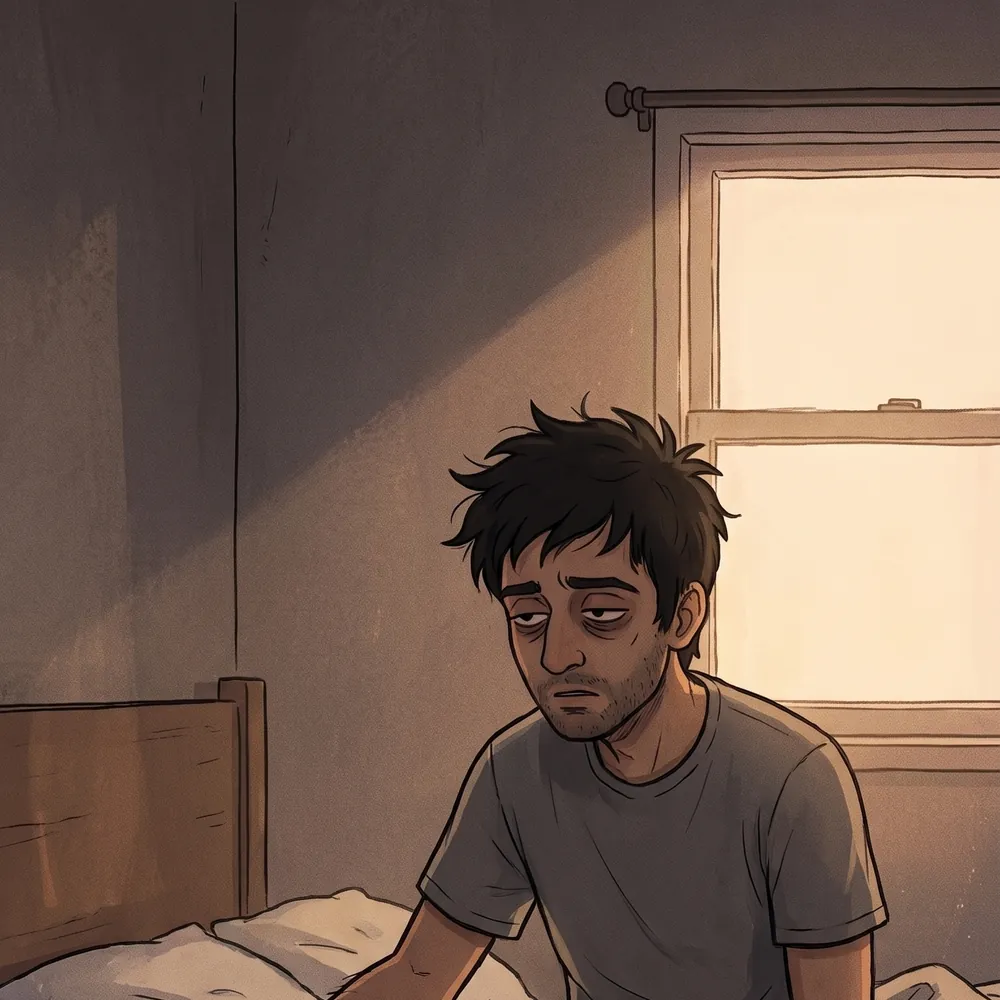
Common signs, from both sides
| Sign | What it tends to look like |
|---|---|
| Declining initiated intimacy | A noticeable, sustained drop in one partner initiating closeness, without an obvious external cause like stress or health. |
| Comparison-driven dissatisfaction | Comments or a sense of being measured against an unrealistic standard, or feeling that closeness no longer feels enough. |
| Secrecy around devices | Unusual defensiveness about a phone or laptop, hiding screens, or a marked change in typical online habits. |
| Emotional withdrawal beyond the physical | Feeling more distant in ordinary conversation too, not only in physical intimacy specifically. |
| Irritability tied to interrupted alone time | Unusual frustration specifically when private time or device access is disrupted. |
| A pattern that keeps recurring after promises to stop | Repeated cycles of discovery, apology, and relapse, rather than a single past incident. |
One or two of these, on their own, could easily mean nothing. People go through ordinary stretches of lower desire, distraction and stress for all kinds of unrelated reasons. A cluster of several together, especially alongside secrecy or a recurring pattern, is what is actually worth taking seriously.
If you are the partner and you suspect this
Resist the urge to build a case in secret before saying anything, which tends to escalate the situation before an honest conversation has even happened. A calmer, more direct approach, "I've noticed some distance between us and I want to understand what's going on," usually opens the door further than a confrontation built on gathered evidence. If the conversation does turn out to be about this specifically, our guide on talking to your partner about porn covers having it well from either side of the table.
If you recognise this in your own behaviour
Naming it honestly to yourself first is the harder and more useful step than immediately confessing everything to a partner. Understand what has actually been happening and why, then decide how and when to raise it, ideally sooner rather than after it has had more time to compound. Our piece on what porn does to real intimacy covers the deeper mechanics of why this specifically affects closeness, which is worth understanding before the conversation, not just during it.
Close the gap before it grows further
Whichever side of this you are on, the habit itself needs to stop being available for anything to actually change. Qlean closes explicit content the moment it appears on your phone, across every app.
Get Qlean on Google PlayIf this has already caused real damage
Recognising the signs is the first step, not the whole solution. If a habit has genuinely affected the relationship and it has come out into the open, the work of repair is its own longer process. Our piece on rebuilding trust after disclosure covers what that actually looks like, week to week, once the conversation has already happened.