Why this is a genuinely different project
A habit run for two years and a habit run for twenty-five are not the same size problem. Neural pathways worn in over decades are deeper, the routines built around the habit are more woven into daily life, and there is often a much longer history of failed attempts sitting behind the current one, each one adding its own layer of "I've tried this before and it didn't stick."
None of that makes quitting impossible. It does mean the plan needs to look different from the one built for someone six months into noticing the problem exists at all.
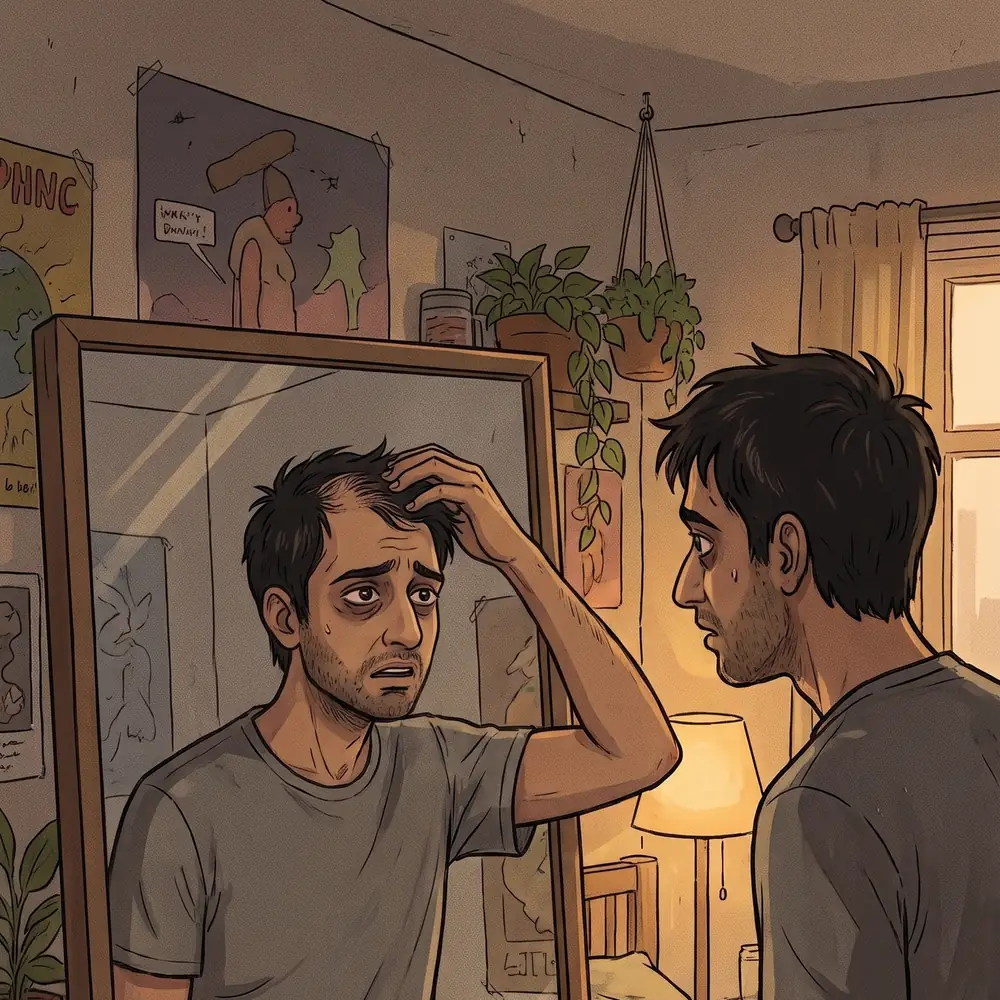
The specific feelings that show up here
A few things come up in this situation that rarely get named directly. A sense of having wasted enormous stretches of time, sometimes decades, that cannot be gotten back. Shame that runs deeper for having "known better" for so long without changing. A quiet fear that it might genuinely be too late for anything to be different now. And often, underneath all of it, a marriage or long relationship that has been shaped by this for years, sometimes without a partner knowing the full extent of it.
Worth hearing plainly: it is not too late. The evidence on this, both from clinical work and from the traditions this site draws on, is consistent: real change is available at any age, and the years already spent do not have a vote in what the next chapter looks like. Regret about the past is not the same thing as a verdict on the future.
What actually needs to be different
- Expect deeper habituation, and plan for it. A routine built over decades will not unwind in the two to three weeks that work for a newer habit. Give the process real time rather than measuring it against someone else's much shorter timeline.
- Deal honestly with the marriage question, if there is one. Whether and how to tell a spouse after years of concealment is a genuinely hard, personal decision with no single right answer, but concealment sustained indefinitely tends to cost more than an honest, well-timed conversation does. Our guide on talking to your partner about porn covers that conversation, and it applies here even though it was not written with decades of history specifically in mind.
- Watch for the failed-attempts weight. A long history of stops and restarts can make this attempt feel doomed before it starts. It isn't. Every serious tradition treats a late return as fully legitimate, not a lesser version of an early one, and that framing matters more here than almost anywhere else on this site. See forgiving yourself after a long relapse for more on this specifically.
- Rebuild routines that were built around the habit, not just remove the habit itself. Decades of pattern often means specific times, specific rooms, specific moments of the day that were quietly structured around it. Those structural gaps need to be filled with something else, not just left empty and willed shut.
A structural change for a structural problem
A habit this old is rarely beaten by resolve alone. Qlean closes explicit content the moment it appears on your phone, across every app, giving decades of pattern a genuine structural obstacle rather than one more promise to yourself.
Get Qlean on Google PlayThe physical side, honestly
Longer use, particularly heavy or escalating use, is more strongly associated with porn-induced difficulty with real intimacy, and recovery in that area can take longer to show up the deeper the pattern runs. This is genuinely one of the more hopeful areas of research in this whole field, though, because recovery through sustained abstinence remains well documented even after very long use. Our piece on porn-induced ED recovery covers the mechanism and the timeline, patience matters more here than anywhere else, and it is worth having.
Why this is still worth doing now
There is no version of this where starting later means the effort is wasted. Every year lived differently from here forward is a real year, regardless of how many came before it. The traditions covered across this site were never built around the idea of a perfect record; they were built around the idea of turning back, at whatever point that finally happens. Forty years old or seventy, this still counts, and it is still worth doing properly.