What nightfall actually is
Nightfall, also called a wet dream or nocturnal emission, is an involuntary release that happens during sleep, most often in younger men, sometimes throughout adult life. It happens without conscious control and often without any memory of a dream at all. That single fact, involuntary, is the most important thing to hold onto, because almost everything harmful about how people experience nightfall comes from treating it as a choice or a failure when it is neither.
You did not decide it. Your waking will was not tested and did not fail. If you are serious about a brahmacharya practice, this distinction matters enormously: the practice measures what you do with your attention, your eyes and your choices while awake, not what your body does while you are unconscious. Judging yourself by the second is like blaming yourself for a heartbeat.
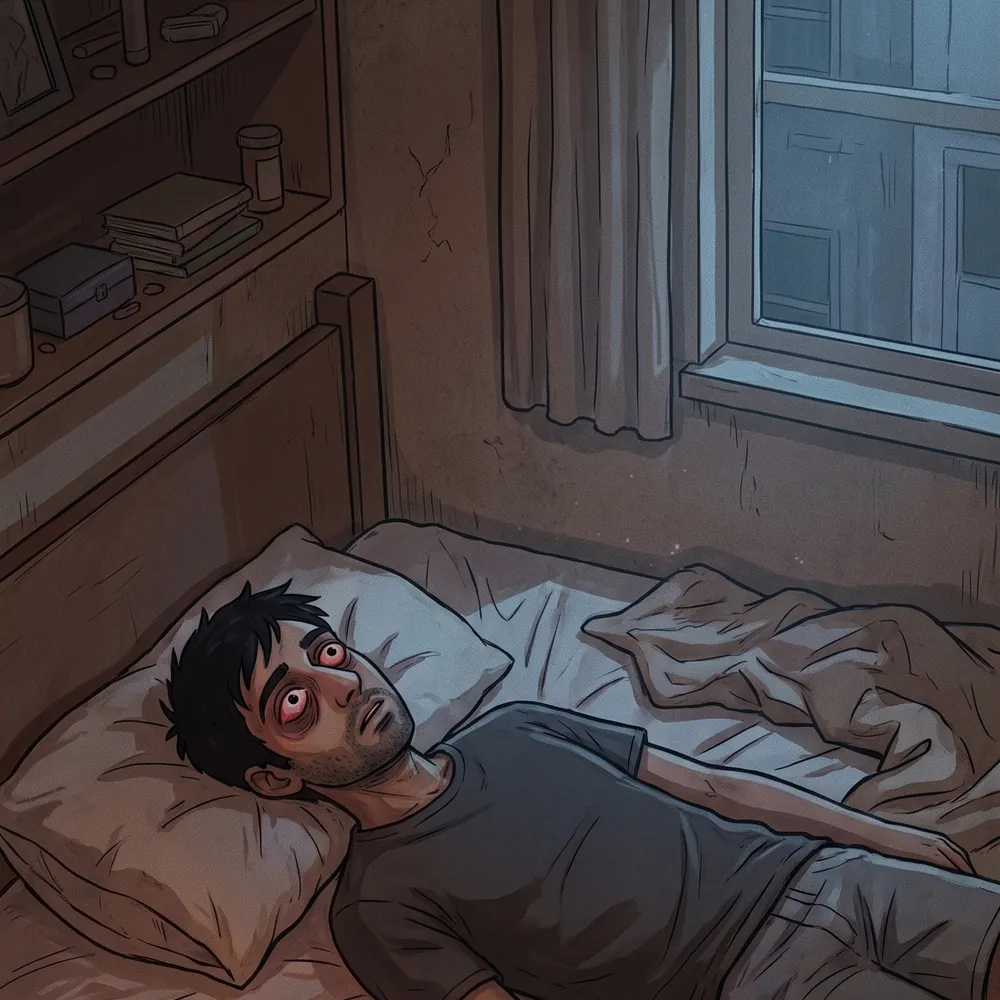
The myths that cause real harm
A whole folk tradition, especially strong across parts of South Asia, treats nightfall as a sign of weakness, a drain on vital energy, a cause of memory loss, fatigue, even illness. These claims spread through generations of whispered warnings and continue to cause young men genuine anxiety, sometimes severe enough to affect sleep, confidence and self-worth. None of it is supported. Occasional nightfall is not a medical problem. It is not evidence your body is failing you. The fear itself, not the event, is what actually damages people's wellbeing here, and it deserves to be named as the real problem it is.
Say this to yourself plainly: nightfall did not happen because you are weak, undisciplined or spiritually failing. It happened because your body is alive and doing what bodies do while you sleep. Your discipline is measured by what you choose while awake, and only that.
What the tradition actually teaches
Serious teachers of brahmacharya were never careless enough to condemn something outside a person's control. What they taught was subtler and more useful: that a mind cluttered with explicit content, unrestrained fantasy and a scattered waking life tends to produce a more restless, disturbed sleep, and that a calmer, more disciplined waking life tends to produce a steadier one. The nightfall was never the target. The clutter feeding it was.
This is why the whole of a brahmacharya practice matters here far more than any single technique aimed at nightfall directly. Guarding what you feed your eyes and attention during the day, keeping your mind on something worthy of it, building the discipline we describe in our complete guide to brahmacharya, tends over time to produce a quieter mind and, with it, a quieter sleep. This is traditional, experiential wisdom, not a medical guarantee with a fixed timeline, and it is worth pursuing on those honest terms.
Building real steadiness
- Guard your eyes and attention all day, not just at night. Explicit content and unrestrained fantasy leave residue that surfaces in sleep. Cutting the intake at the source is the single most useful thing you can do. This is exactly why Qlean exists, to close explicit content the moment it appears and stop that residue from ever building up.
- Keep your evenings calm. A restless, overstimulated mind carries that restlessness into sleep. A quiet last hour, no screens, some stillness or prayer, settles the mind before it settles the body.
- Do not punish yourself afterward. Self-punishment and shame are themselves a form of mental agitation, and agitation is precisely what the tradition says fuels the pattern. Meet it with steadiness, not self-attack, and move on with your day exactly as planned.
- Keep the whole practice, not a fragment. Sleep, diet, exercise, meditation and control of what you feed your mind all work together. Chasing nightfall in isolation while ignoring the rest of the practice rarely produces the steadiness you are after.
Guard the mind that shapes your sleep
What you feed your attention during the day shows up in your sleep at night. Qlean closes explicit content the moment it appears on your phone, across every app, so your mind carries less into rest.
Get Qlean on Google PlayWhen to actually be concerned
Occasional nightfall on its own is not something to be concerned about. What is worth attention is the anxiety around it, if it is disrupting your sleep, your confidence or your daily functioning, that anxiety deserves care, ideally from someone you trust or a professional, not silence and shame carried alone. Treating the fear as the real issue, rather than treating a normal bodily process as a crime, is itself an act of the same clear-headed discipline brahmacharya asks of you.
You are not failing. You are practicing something genuinely difficult, and difficult things include setbacks that are entirely outside your control. Keep your eyes guarded, your mind calm, your practice whole, and let the rest settle itself. That steadiness, held over months, is what the tradition actually promises, and it is well within reach. This is one of several claims in this space worth checking directly; see NoFap myths, named and debunked. And if you are unsure whether nightfall breaks whichever rule set you are following, NoFap rules explained covers that directly.